
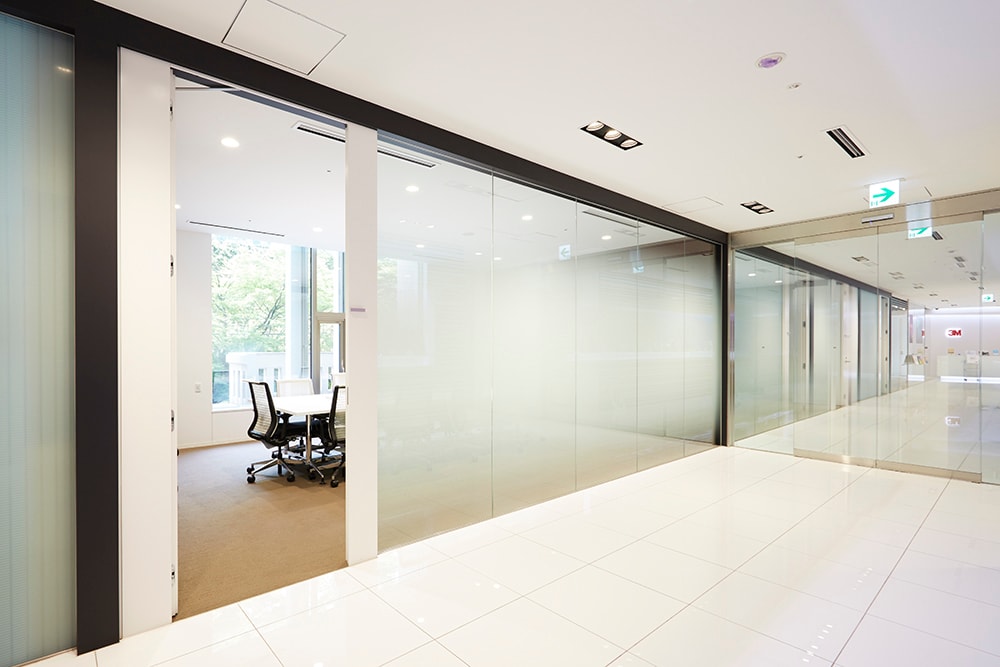
Glass is one of the most overlooked components of a building. Yet it plays a major role in security, energy performance, occupant comfort, and interior design.
For decades, most people have thought of window film as little more than “tint.” In reality, modern window film technology has evolved into a sophisticated building retrofit solution that can strengthen glass, reduce solar heat gain, protect interiors from UV damage, and transform spaces without demolition.
At NGS, we help organizations across the country unlock the potential of their glass using the 3M Window Film portfolio. From schools and healthcare facilities to retail, commercial real estate, and government buildings, the right film solution can improve performance without the cost, disruption, or downtime associated with window replacement.
To help explain how these technologies work, NGS Co-Founder and CEO James Beale created a short video series that breaks down the full portfolio of 3M window films and the problems they solve.
Below, we walk through the key categories of window film and explain how each solution improves building performance.

What Is 3M Window Film and How Does It Improve Building Performance?
Many building owners don’t realize that glass is often the weakest link in their building envelope. It’s responsible for a significant portion of solar heat gain, glare, UV exposure, and energy loss. It can also be a critical vulnerability in security scenarios.
3M Window Film leverages advanced material science to enhance the performance of existing glass. Applied directly to windows, these films can:
- Reduce solar heat gain
- Improve occupant comfort
- Block harmful UV radiation
- Reduce glare
- Strengthen glass against impact
- Transform interior surfaces and aesthetics
- Because window film is applied as a retrofit, it delivers these benefits without replacing windows, shutting down operations, or undertaking major construction.
The 3M portfolio is typically grouped into three primary solution categories:
Each addresses a different set of building challenges.
Why Security Window Film Is Critical for Modern Building Safety
Today’s security landscape continues to evolve, and unfortunately many threats share a common entry point: glass.
Why Glass Is Often the Weakest Point in Building Security
Whether it’s forced entry, smash-and-grab retail crime, severe weather, or other emergency scenarios, untreated glass fails quickly under impact. It can shatter into dangerous fragments and provide immediate access to intruders.
Security window film is designed to address this vulnerability.
How Security Window Film Helps Slow Forced Entry
When properly installed, these films help hold broken glass together, slowing down forced entry and reducing the risk of dangerous flying shards. While no product can make glass indestructible, slowing down an attacker can be critical. That delay provides valuable time for occupants to react, initiate security protocols, or allow first responders to arrive.
For schools, retailers, and commercial facilities, improving glass performance can be an important layer in a broader security strategy.
How 3M Security Window Films Strengthen Glass and Improve Safety
Not all security window films are created equal. Performance depends on the materials, construction, and adhesive systems used.
3M pioneered the security window film category and continues to lead the industry with integrated film and adhesive technologies designed to work together as a system.
Two of the most widely used products include:
3M Ultra S800 Security Window Film
3M Ultra S800 uses a patented micro-layered polyester construction that provides exceptional tear resistance. When glass breaks, the film helps hold the pieces together and resist penetration attempts.
Ultra S800 has been widely used across schools, commercial buildings, and retail environments to improve glass safety and delay forced entry.
3M S2400 Security Window Film Technology
The next generation of security window film technology, 3M S2400 is built using polyurethane rather than polyester.
This advanced material allows the film to stretch up to 560% before breaking, providing significantly improved resistance to tearing and penetration compared with traditional films.
Together, these technologies give building owners options to match security performance with their risk profile and budget.
Why Windows Are a Major Source of Energy Loss in Buildings
Windows are one of the largest contributors to heating and cooling loads in commercial buildings.
How Untreated Glass Causes Heat Gain, Glare, and HVAC Strain
Up to 34% of a building’s heating and cooling energy can be lost through untreated windows. This often results in:
- Hot spots near windows
- Glare on screens and workspaces
- UV damage to interiors
- Increased HVAC demand
- Higher utility bills
Why Window Replacement Isn’t Always the Best Solution
Replacing windows can address these problems, but window replacement projects are often expensive, disruptive, and time-consuming.
Sun control window film provides a more efficient alternative.
Applied directly to existing glass, these films reduce solar heat gain while preserving daylight. The result is improved comfort, reduced glare, and lower cooling loads without major construction.
For many facilities, this makes sun control film one of the highest-ROI upgrades available.
How 3M Sun Control Window Films Reduce Heat and Improve Comfort
The 3M Sun Control portfolio includes multiple film options designed to meet different performance goals, aesthetics, and building conditions.
Two key product lines are commonly used across commercial buildings.
3M Affinity Window Film for Solar Control
3M Affinity offers strong solar performance and glare reduction with a neutral appearance. It provides an excellent balance of performance and value, making it a popular choice for large building portfolios.
3M Prestige Window Film and Multilayer Optical Technology
3M Prestige represents the premium tier of sun control technology.
Prestige films use multilayer optical film technology rather than metallic coatings. This allows them to reject significant amounts of solar heat without darkening the glass.
Because they contain no metal, Prestige films also offer important advantages:
- No interference with wireless signals or 5G
- No corrosion risk
- A clear, natural aesthetic
Interior vs Exterior Window Film Performance
Prestige films can also be installed on the exterior of glass, which can dramatically increase solar performance — particularly on double-pane windows.
How Decorative Window Films Enable Modern Renovation Without Demolition
Beyond security and energy performance, building owners and designers increasingly face pressure to modernize spaces while minimizing cost, disruption, and environmental impact.
Traditional renovations often involve removing existing surfaces, generating waste, and disrupting building operations.
Why Designers and Facility Managers Are Using Architectural Films
Decorative and architectural films offer a more sustainable alternative.
These films allow designers and facility teams to update glass and surfaces quickly and efficiently, enabling:
- Privacy for offices and conference rooms
- Branded environments and graphics
- Modern aesthetics
- Cost-effective interior upgrades
Because the films are applied directly to existing surfaces, the process is faster, cleaner, and more sustainable than traditional renovation methods.
How 3M Decorative and Architectural Films Transform Glass and Surfaces
Two powerful product families drive these transformations.
3M DI-NOC Architectural Finishes for Surface Renovation
3M DI-NOC is a high-performance surface film designed to replicate materials such as wood, metal, stone, leather, and other specialty finishes.
Rather than replacing cabinets, walls, elevators, or fixtures, DI-NOC allows teams to resurface existing materials, dramatically reducing cost and downtime.
This process is often referred to as dustless renovation, because it avoids demolition and minimizes disruption.

3M™ DI-NOC Refresh in a Retail Store
3M FASARA Decorative Window Films for Privacy and Design
3M FASARA films add privacy and design to glass surfaces while still allowing natural light to pass through.
They are commonly used for:
- Conference rooms
- Healthcare environments
- Office partitions
- Branded interior design
Together, DI-NOC and FASARA open new possibilities for architects, designers, and facility teams looking to improve interiors quickly and sustainably.

3M FASARA in a hotel lobby.
3M Fasara Glass Film FAS SH2FGCNB
Why 3M Window Film Is One of the Smartest Building Retrofit Upgrades
Security. Energy efficiency. Design.
These three priorities increasingly shape how modern buildings are planned, renovated, and managed.
The 3M Window Film portfolio offers solutions that address all three through simple retrofits that enhance existing glass rather than replacing it.
Whether the goal is improving safety, reducing operating costs, or modernizing interior spaces, window film provides a practical path forward.
At National Glazing Solutions, we work with organizations across the country to evaluate their buildings, recommend the right solutions, and install them with minimal disruption.
If you’re interested in learning how window film can improve your building’s performance, our team would be happy to help.
Talk to the NGS Team
Contact NGS to learn more about 3M Security Window Films, Sun Control Window Films, and Decorative Architectural Films, and how they can improve safety, comfort, and performance in your building.