
Every transit agency knows the cycle: a bus or rail car goes into service looking sharp, and within weeks the windows are scratched, the mirrors are tagged, and the metal trim is etched. Multiply that by a fleet of dozens or hundreds of vehicles running daily routes, and graffiti abatement stops being an occasional repair line item and becomes a recurring operating cost.
The traditional fix – replacing acrylic window panels, refinishing metal, or swapping out mirrors – is slow, expensive, and never really solves the problem. It just resets the clock until the next tag.

Why Glass, Metal, and Mirrors Take the Hit
Transit vehicles and stations are built almost entirely around surfaces the public touches, leans on, and – given the opportunity – scratches or tags:
- Windows and partitions, where scratching and etching are the most common form of vandalism
- Mirrors in restrooms and stations, which corrode and scratch over time even without vandalism
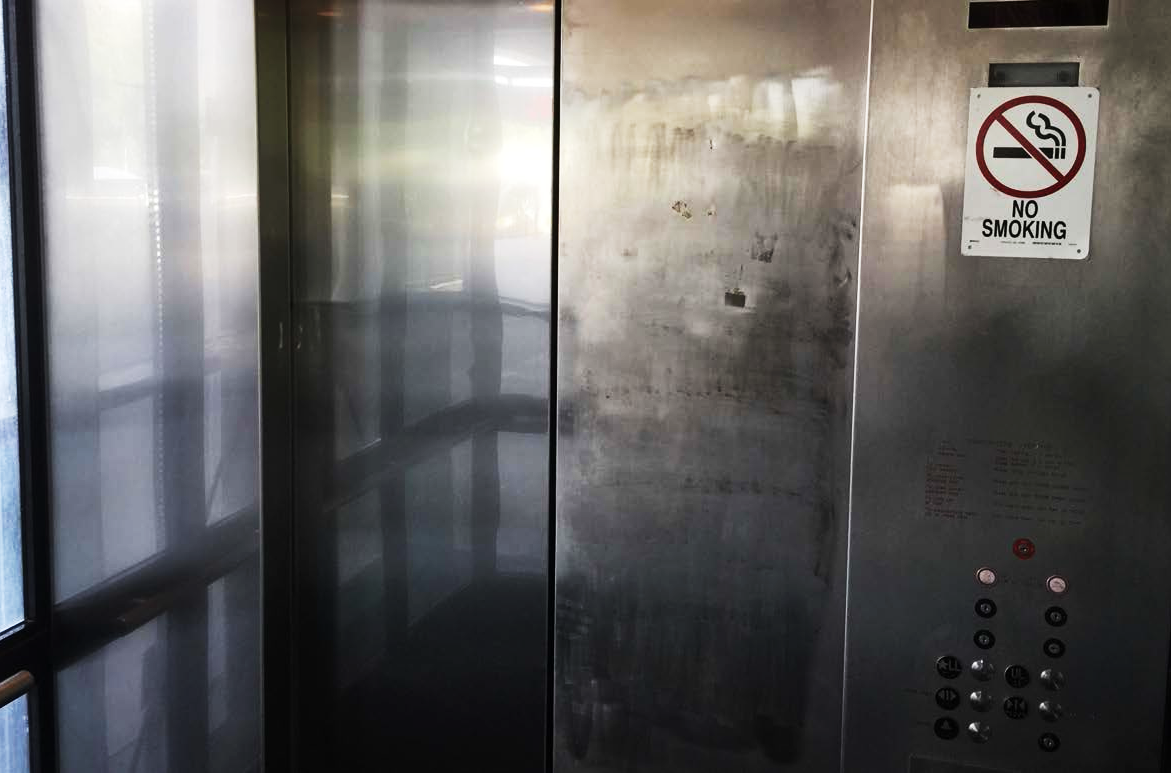
- Metal surfaces — handrails, elevator interiors, escalator panels — that show scratches and tarnish quickly under heavy public use
Left unprotected, all three degrade the rider experience and the fleet’s appearance, and repairing them the traditional way is a constant drain on maintenance budgets.
A Different Approach: Sacrificial Surface Protection Film
Instead of protecting the surface itself, surface protection film gives vandalism and wear something else to damage. A thin, virtually undetectable film – such as Glass Shield, Mirror Shield, or Metal Shield from Graffiti Shield – is applied directly over glass, mirror, or metal. When it gets scratched, tagged, or worn down, the film is peeled off and replaced – the surface underneath stays untouched.
The advantages over traditional replacement are straightforward:
- Lower cost per repair — precut film pieces cost a fraction of a replacement acrylic panel or refinished mirror
- Faster turnaround — swapping a film panel takes minutes, not a shop visit
- No downtime for the vehicle or fixture — repairs can happen during routine maintenance windows
- Easy to stock — precut, numbered pieces mean maintenance teams always know exactly what to order and how it goes on
Proof in the Field: A Regional Transit Fleet
A regional transit district operating more than 80 buses – covering nearly 1,500 route miles and over 5 million rides a year – had outfitted its fleet with acrylic window liner panels to deter graffiti. The panels worked, but they came with a cost problem: roughly $25 per unit, and difficult to keep in stock or replace efficiently across the whole fleet.
The district retrofitted its buses with sacrificial glass film instead, starting with a hands-on training rollout across the first 20 vehicles — removing the acrylic panels, laying out precut film by part number, and training the maintenance team window by window.
The results after converting the entire fleet:
- Average cost per replacement piece dropped from about $25 to under $7
- The district now keeps a complete in-house inventory of film and tools, so repairs happen on its own schedule
- Total savings: several hundred thousand dollars a year in anti-graffiti abatement costs
Where Else Transit Agencies Are Applying It
The same logic that works on bus windows applies anywhere a transit system has public-facing glass, metal, or mirrors:
- Station and platform mirrors, including restoring the look of aging or corroded mirrors while protecting them going forward
- Elevator and escalator metal panels, which take constant contact damage in high-traffic stations
- Fare gates, partitions, and other glazing exposed to the public
The Bottom Line
For transit agencies, surface protection film isn’t a cosmetic add-on — it’s a maintenance-budget decision. Trading a $25 replacement part for a $7 one, across an entire fleet and station network, adds up to real savings without asking riders to tolerate scratched glass and tagged mirrors in the meantime.
If graffiti and surface wear are showing up as a recurring line item in your maintenance budget, it’s worth evaluating where sacrificial film could replace your current replacement cycle — starting with the surfaces that take the most damage.
Ready to protect your assets? Contact NGS today to get started.